

If you’ve ever wondered what gives BBQ that signature Sonny’s flavor, there’s a secret ingredient, and it’s more than just love. What makes BBQ truly unforgettable is smoke. It’s flavor, it’s chemistry, it’s art… and yes, there’s a whole lot of science behind it. Welcome to BBQ Smoke Science 101.
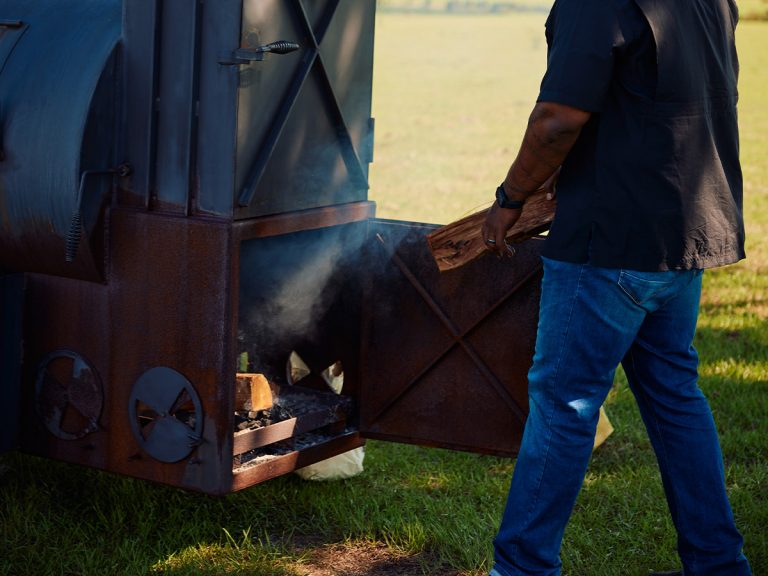
Table of Contents
What Is Smoke, Scientifically Speaking?
Before we dive into the ribs and brisket, let’s get nerdy for a minute. (Don’t worry, it’s light nerdy. Backyard‑friendly nerdy.)
The Basics of Combustion
When wood burns, three things happen:
- It dries out (moisture evaporates)
- It breaks down (chemical compounds inside the wood heat up and split apart)
- It combusts (some parts burn into gases, some into tiny particles)
In that smoke, you see a mix of:
- Gases (carbon dioxide, water vapor, and trace chemicals)
- Vapors (flavorful compounds released from the wood)
- Tiny particles (char and ash that give smoke its color)
Together, they create the aromatic cloud that BBQ lovers dream about.
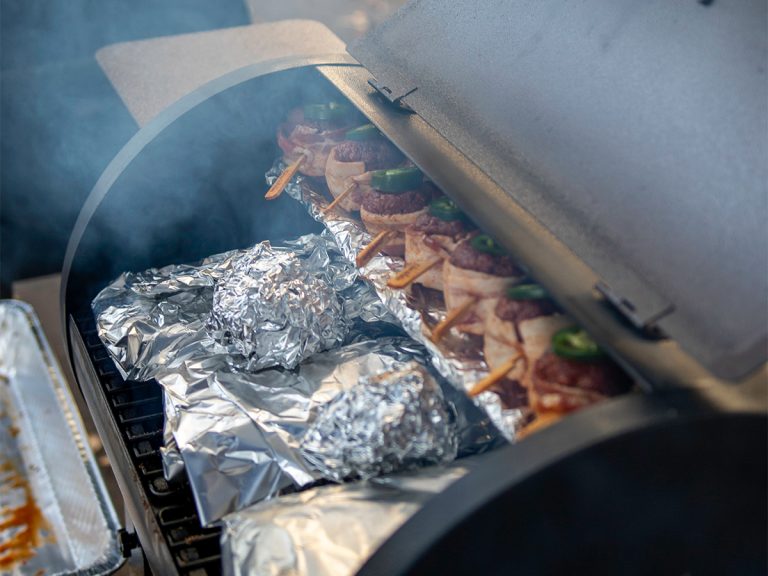
How Smoke Flavors Food
Here’s where the real bbq smoke science kicks in.
1. Meat Absorbs Smoke Early
Meat is most receptive to smoke during the first few hours of a cook, when the surface is still moist and cool. Smoke compounds cling more easily at this stage.
2. Flavor Happens on the Surface
Smoke clings to the outside, bonding with fat, moisture, and the bark. It doesn’t penetrate deeply, so most flavor is built on the exterior. That’s what makes that beautiful bark on our Certified Angus Beef® you enjoy every day at Sonny’s.
Clean Smoke vs. Dirty Smoke
Not all smoke is created equal. And this is one of the most important lessons in BBQ smoking basics.
Thin Blue Smoke: The Goal
Thin blue smoke means:
- Clean, efficient combustion
- Balanced flavor
- A steady, healthy fire
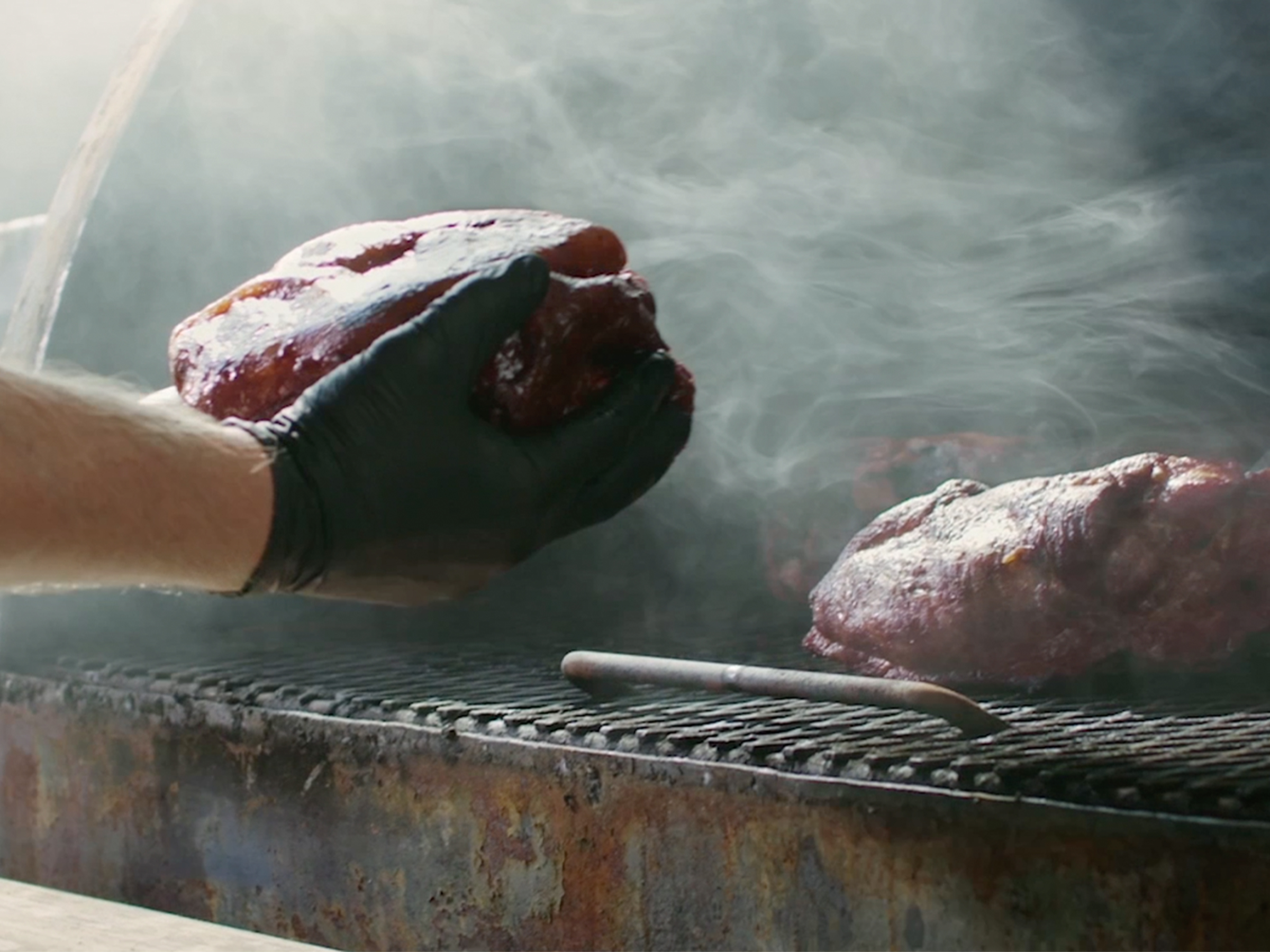
This is the good stuff. That’s the kind that makes perfectly smoked BBQ, and what you’ll see pouring out of our chimneys at every Sonny’s.
Thick, White, or Yellow Smoke: The Enemy
This kind of smoke signals incomplete combustion and can lead to:
- Bitter flavors
- Sooty residue
- A creosote-like coating (a.k.a. no thanks)
If your food tastes “oversmoked,” dirty smoke was likely the culprit.
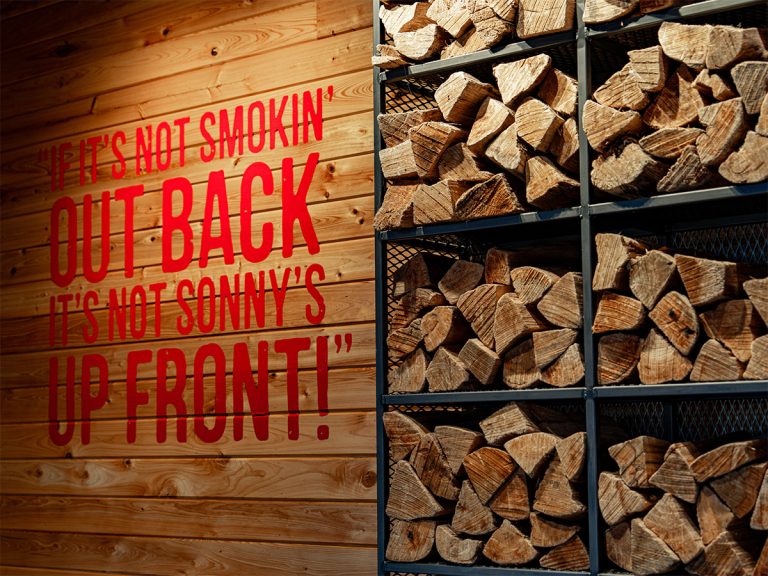
Wood Matters: Choosing the Right Flavor
Different woods create different flavors because of the natural oils and compounds inside them.
- Oak – balanced, consistent, and our signature since ’68
- Mesquite – bold and intense; great in small doses
- Fruit woods – sweet, mild, aromatic (like apple or cherry)
Choosing the right wood is part science… and part personality.
The BBQ Smoke Ring: What It Is (and Isn’t)
Slice into brisket or ribs and you might see a pink halo beneath the bark. That’s the famous bbq smoke ring.
What Creates the Smoke Ring
As wood burns, it releases gases that bind with the meat’s myoglobin before the outer layers reach about 140°F. That reaction preserves a reddish tint for a short time, creating the ring.
Mythbuster Time
The smoke ring is not a sign of doneness or even great flavor. It’s mostly chemistry. You can fake it with curing salts: but it won’t taste smoked.
A beautiful smoke ring is eye candy… but the taste comes from technique.
Controlling Smoke Like a Pitmaster
Here’s how Pitmasters control the smoke at Sonny’s every day:
1. Temperature
Low and slow (225°F–275°F) keeps the fire burning clean and steady.
2. Airflow
Good BBQ is basically fire + oxygen + patience. Too little oxygen = dirty smoke. Too much = runaway fire.
3. Timing
Meat only takes in smoke for so long. There’s no need to add wood the whole cook, more isn’t always better.
Common BBQ Smoke Myths (Busted)
Myth #1: More smoke = more flavor.
Too much smoke creates harsh, bitter BBQ.
Myth #2: Smoke penetrates deep into meat.
It doesn’t. Most smoke flavor sticks to the surface.
Myth #3: Dark bark means it’s burned.
Dark bark is a sign of good smoke, seasoning, and slow cooking.
How Sonny’s Pitmasters Use Smoke Every Day
At Sonny’s BBQ, smoke isn’t an afterthought. It’s the foundation of everything we serve. Our Pitmasters train to master:
- Wood choice
- Airflow
- Temperature control
- Timing
- Bark development
- Flavor balance
Want to watch real pitmasters in action? Check out Tales from the Pit, our YouTube series packed with tips, stories, and behind‑the‑scenes BBQ wisdom from Head Pitmaster Shannon Snell.
Want to Learn Even More?
Here’s where to dig deeper:
- Learn more about the art of BBQ at Sonny’s
- See how smoke shapes Sonny’s BBQ menu
- Get to know more Pitmasters
- Order Pitmaster-smoked BBQ for your next event
Understanding BBQ Smoke Science Makes it Sweeter
Once you understand how smoke works, how it forms, how it flavors meat, and how to control it, you’ll appreciate every slow-smoked bite even more. Whether you’re firing up your own smoker or sitting down with a plate at Sonny’s, you’ll know exactly what makes that flavor so unforgettable.